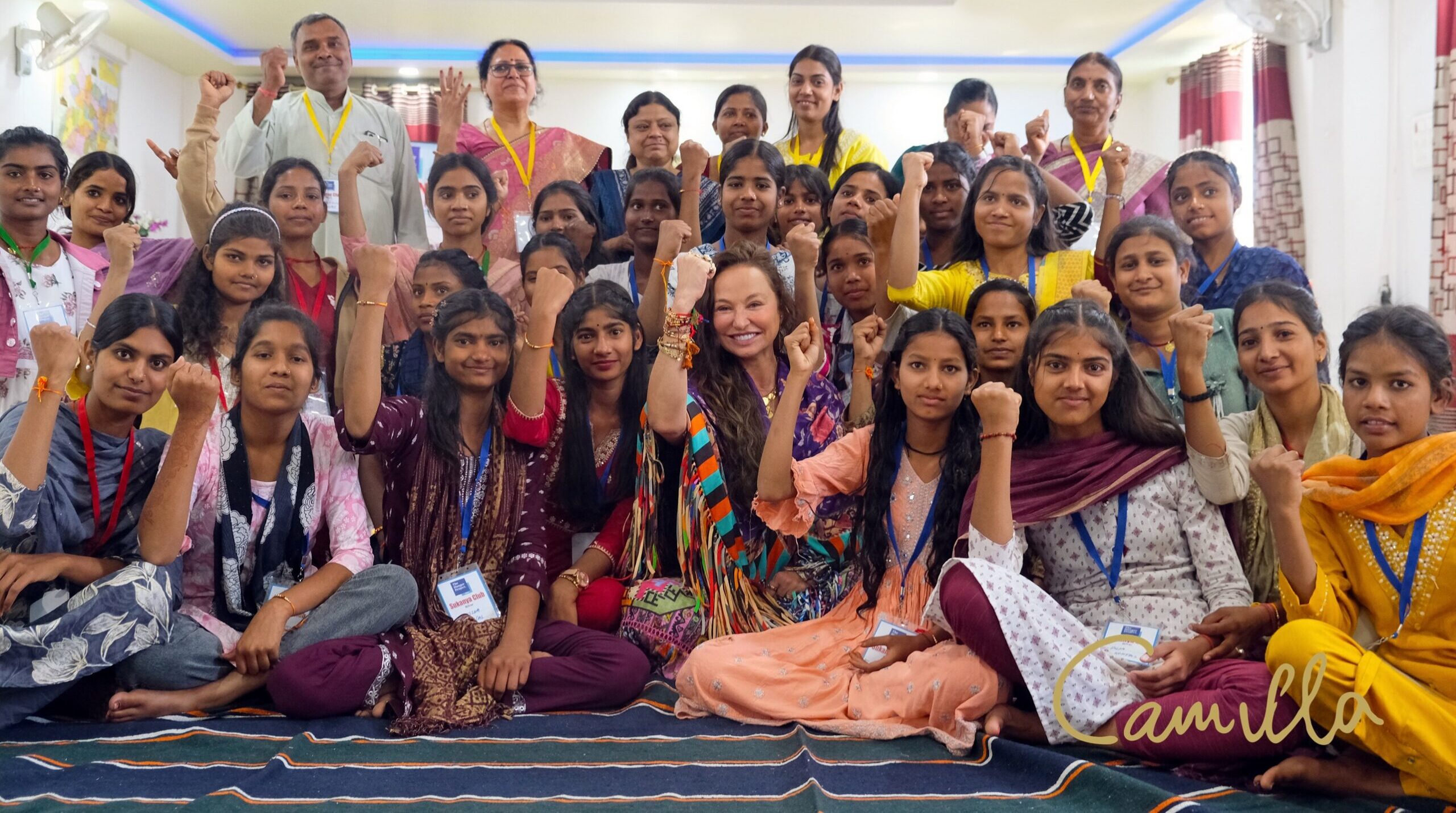
To celebrate International Day of the Girl on 11 October 2026, THPA partner CAMILLA is relaunching The Butterfly Effect, supporting The Hunger Project’s Adolescent Girls program in Bihar, North India.
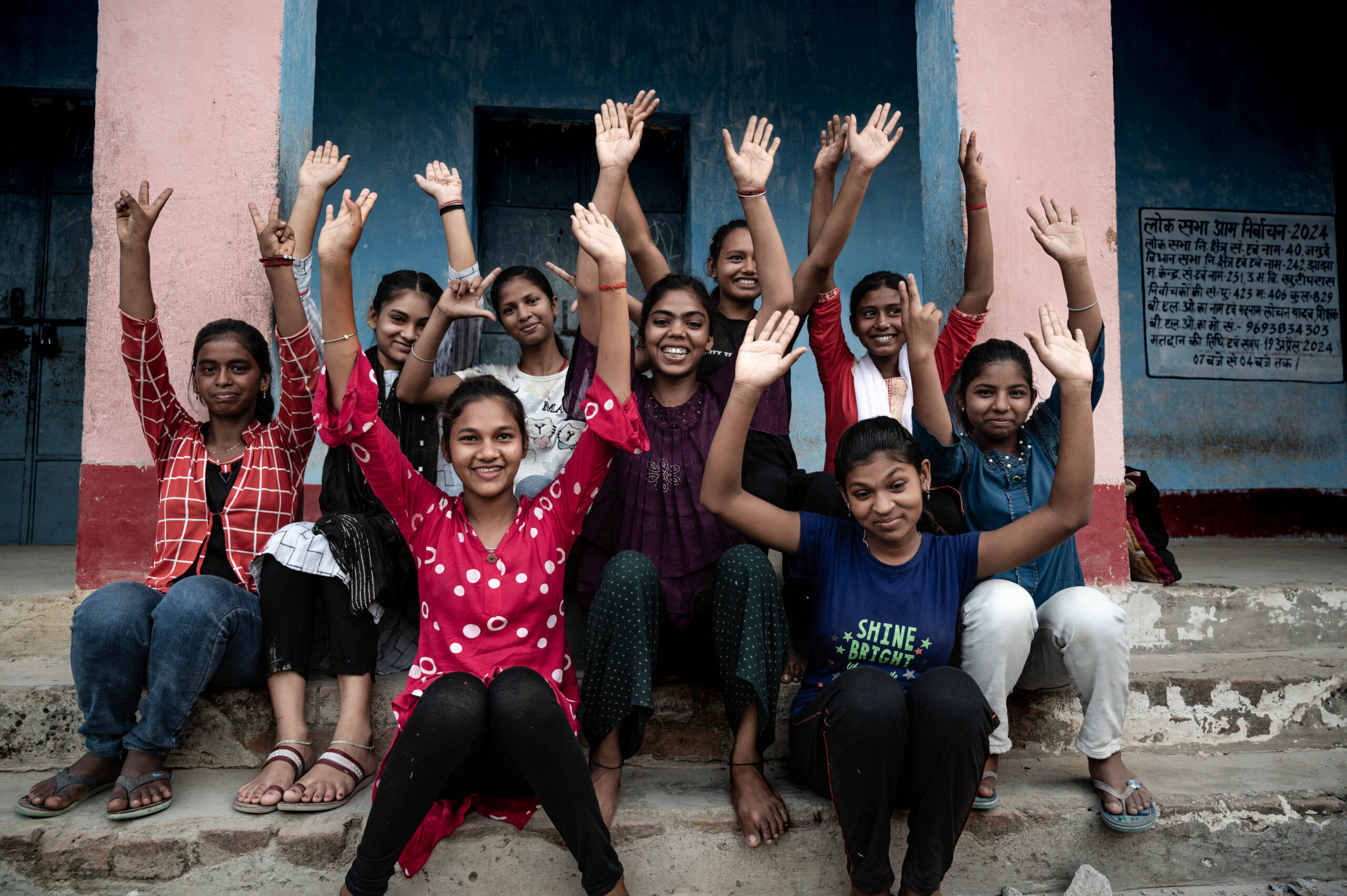
In Bihar, 41% of young women are married before the age of 18, while only 17% of women complete 10 years of schooling . The Adolescent Girls program supports girls and young women to stay in school, understand their rights around child marriage and challenge the social and cultural pressures that can lead to it.
In safe spaces such as clubs and leadership workshops, girls build confidence, learn about equality and understand their fundamental rights.
How The Butterfly Effect began
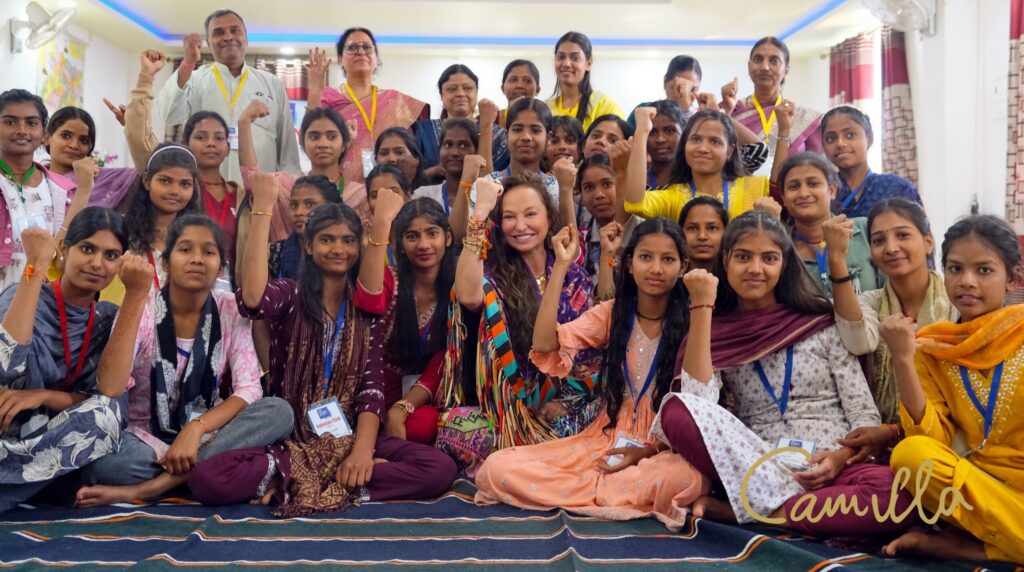
“In 2018, we joined forces with The Hunger Project to create what we’ve called ‘The Butterfly Effect’. Over the years, we’ve helped empower and educate thousands of girls in Bihar, North India.
These young girls are telling their friends, their sisters, their aunties — and it creates this beautiful ripple effect through their communities. Protecting against hundreds and hundreds of child marriages. Driving protection and change for future generations.” – Camilla Franks, CAMILLA Founder & Creative Director
A renewed commitment
To date, CAMILLA has contributed $238,000 to The Hunger Project. This includes support for the Elected Women’s Representative program in Rajasthan, which builds the skills and confidence of elected women to advocate for their communities.
CAMILLA is now renewing its focus on The Butterfly Effect, with an ongoing annual contribution of $25,000 to the Adolescent Girls program.
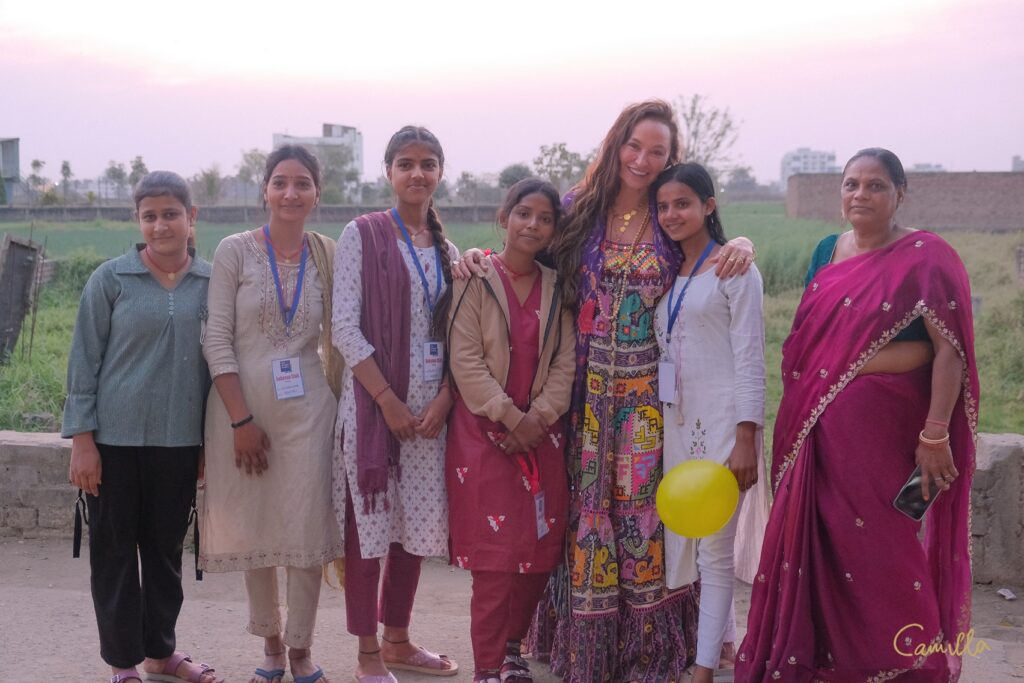
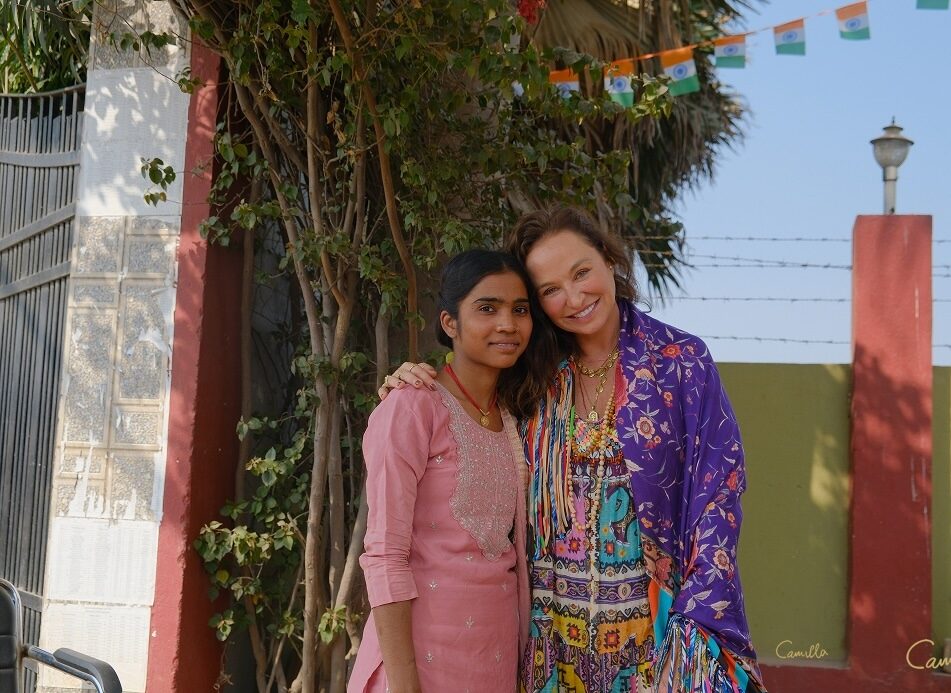
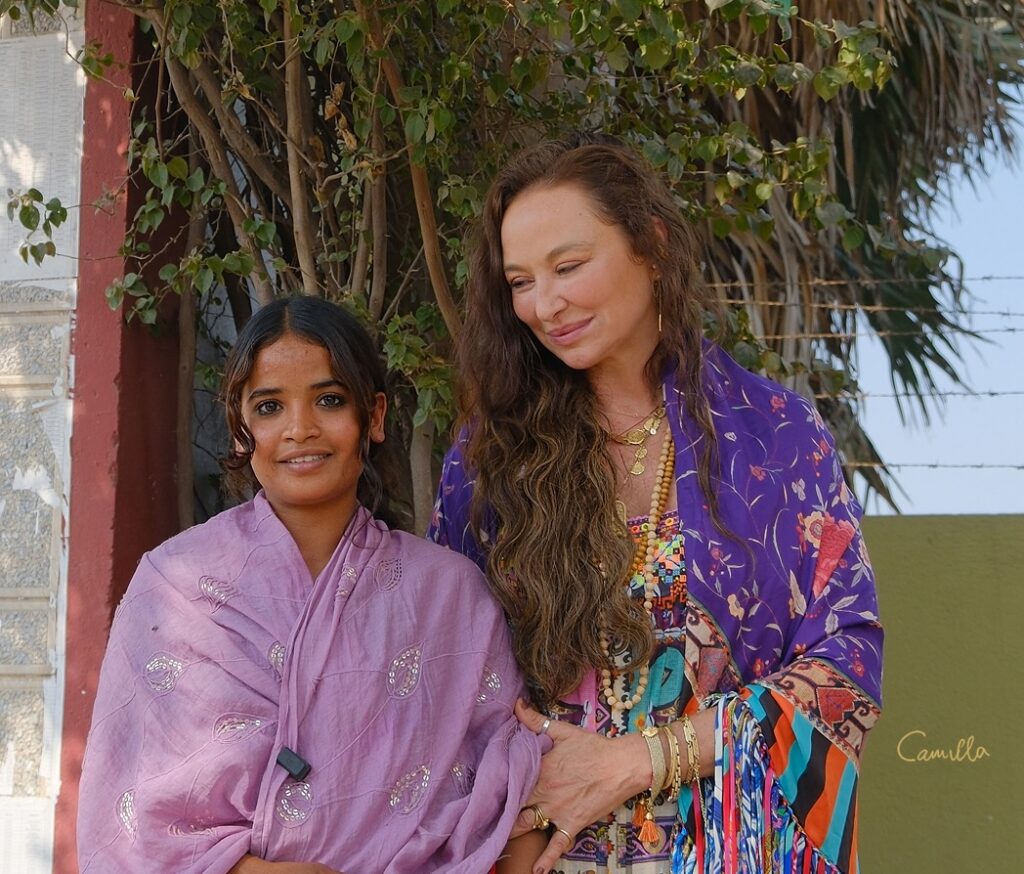
Earlier this year, members of the CAMILLA team travelled to Bihar to see the program firsthand and meet some of the girls whose journeys began in it.
What girls in Bihar have achieved
Two graduates of the first group, which began in 2016, show what this looks like:
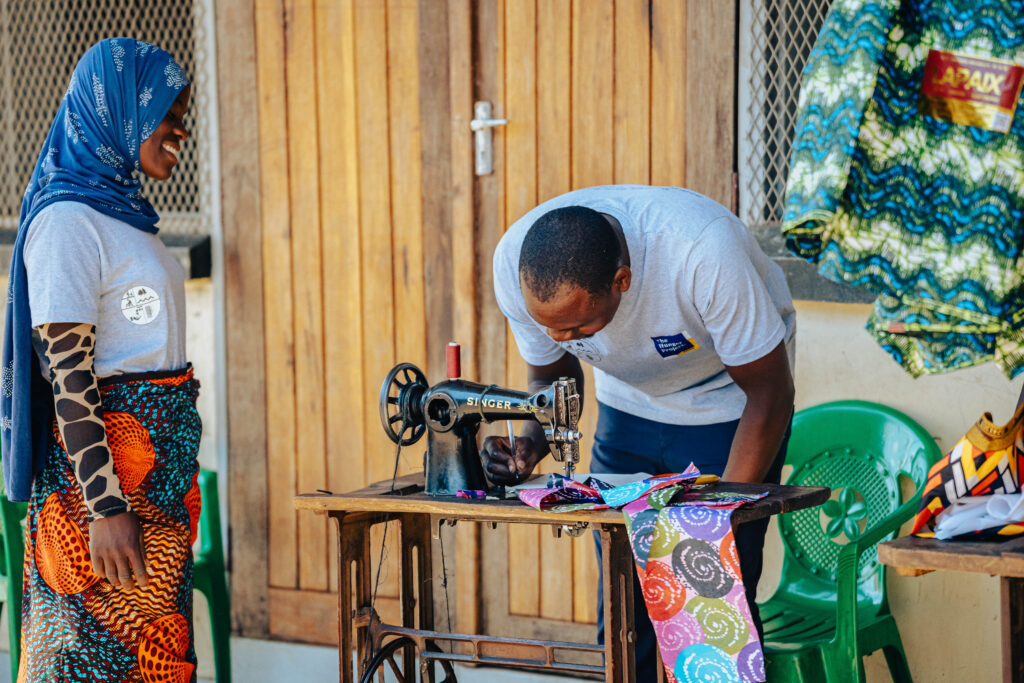
- Durga kept studying, challenged caste-based discrimination within her own family, and now runs a small tailoring centre where she trains other girls.
- Khushbu said no to three attempts to arrange her marriage with support from her peers, and is the first woman from her community to complete a Bachelor of Arts.
We are grateful to the CAMILLA team for their vision, leadership and ongoing support of the program, and to every girl in Bihar who is showing her community what is possible.