Imagine having to give birth in the dark because there was no electricity.
Or not being able to have your baby immunised because there was no refrigeration.
Electricity literally saves lives in Africa.
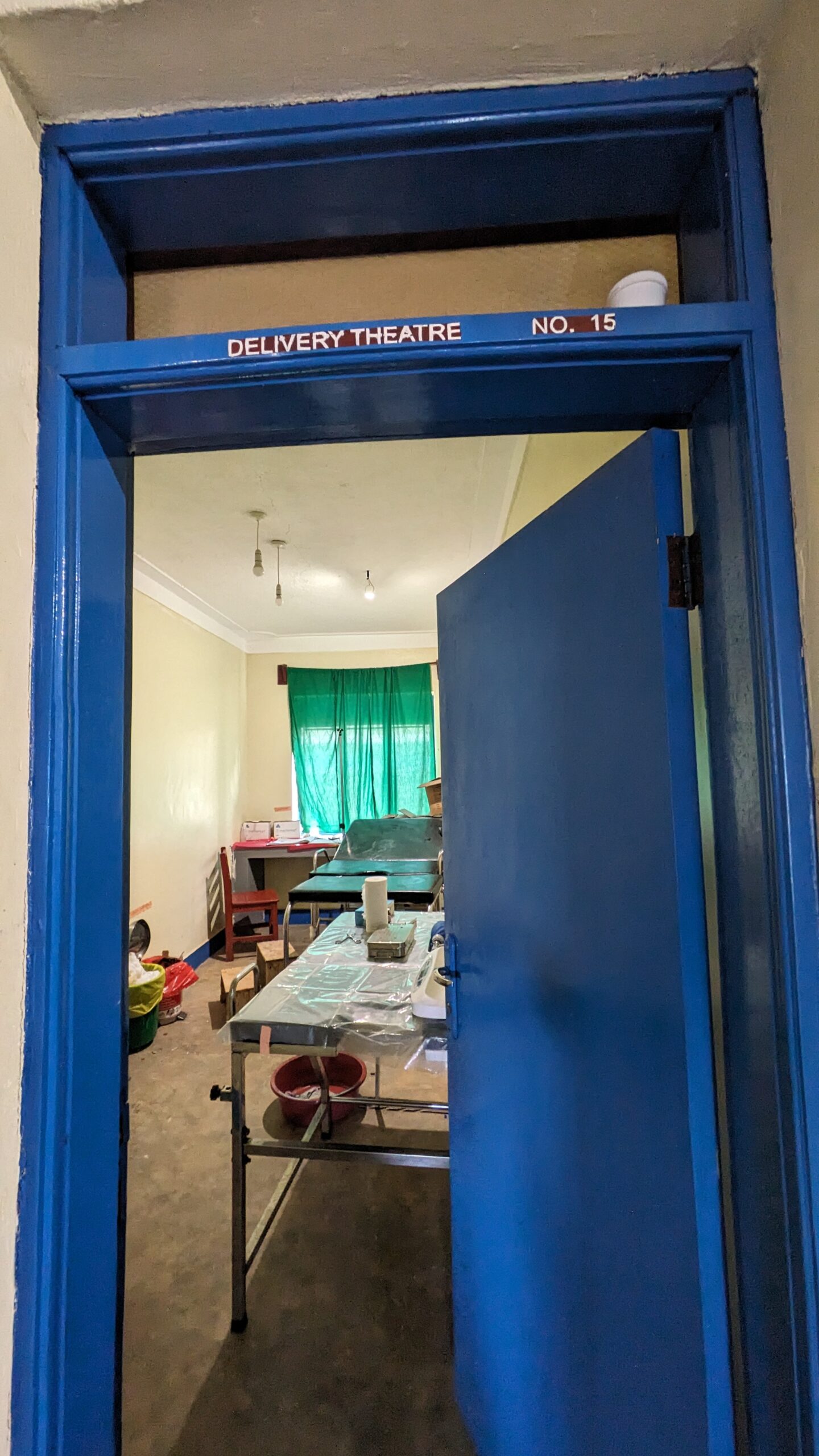
Electricity connectivity has been a significant challenge at Dominase Epicentre in Ghana for several years now, due to low supply of electrical poles and electrical cable for installation. The lack of electricity is concerning, particularly for essential facilities like the health clinic, impacting the ability to provide healthcare after dark and keep vaccinations cold due to the lack of a working fridge.
Epicentre Nurse Hagar explains.
“Due to the persistent lack of electricity at the health facility, numerous challenges have arisen. The situation was particularly difficult for pregnant patients, as they too would be referred if they arrived at the facility after 6 PM.
Additionally, every Wednesday, the health facility conducted weighing and outreach programs. However, the lack of electricity meant that the vaccines couldn’t be stored on-site, for the children, necessitating regular trips to another health facility to acquire them.”
THP-Ghana saw the dire need by the health facility for electricity and collaborated with the Electricity Company of Ghana to successfully have electricity connected..
“The health facility now enjoys a continuous and uninterrupted 24-hour supply of electricity. Now, patients can receive medical attention at the facility even after 6 PM, eliminating the need to refer them to another health facility.
The availability of electricity allows for proper drug storage on-site, ensuring that medications are readily accessible. This improvement in electricity supply has also addressed the challenges associated with deliveries, enabling them to be carried out smoothly without any issues related to inadequate lighting.”
We sat down with Christina Tunnah, General Manager Americas and Global Marketing and Brands at nib, to hear more about why they choose to support The Hunger Project.
Q: Hi Christina! In your own words – tell us a little bit about nib. nib’s purpose is your better health. We are a trusted partner in helping our members and travellers make more informed healthcare decisions, transact with healthcare systems and generally live healthier lives.
We are also Australia’s third largest travel insurer and global distributor of travel insurance through our businesses, nib Travel and World Nomads, providing financial protection and assurance to travellers wherever they are in the world.
Q: How did you first hear about the work of The Hunger Project? We began partnering with The Hunger Project through The Footprints Network in 2022. We recognised your work to end hunger across the world through tackling issues including poverty, gender equality and food and water security resonated strongly with travellers wanting to give back and support the communities they visit on their travels.
Q: What do you and nib’s customers love about our work? The Hunger Project Australia’s program model has a strong emphasis on community-led initiatives, which we know are crucial to create enduring impact. Epicentres are transformative hubs for community development, becoming focal points where local leaders and champions drive change. By empowering local communities to take charge of their own development, it ensures that solutions are sustainable and tailored to the specific needs of each community, no matter what part of the world they are in. There’s also a global impact encompassing many regions across the world, which provides us great opportunities to fundraise for a range of projects addressing community issues in various countries where we know our travellers want to give their support.
Q: What are nib’s values and how do they tie back to our partnership? Our values guide each decision we make and shape how we interact with each other, our members, travellers, suppliers and shareholders. One of our core values is ‘Our footprint matters’, highlighting our responsibility to lead by example and contribute towards the sustainability of the communities in which we operate.
This is why we believe that as travel insurance provider we have a responsibility to give back, so we support international communities through The Footprints Network, founded by World Nomads. When purchasing travel insurance with us, travellers can choose to add a small donation to their policy price to help fund a community development project. We work with reputable charities and NGOs, and absorb the administration costs, so that 100% of donations goes directly to the projects chosen by travellers.
Q: Why do you think it’s important to embed purpose into your business model? Embedding purpose connects our members, travellers and employees to the positive impact we strive to have on the communities where we live, work and operate. We know people want to support businesses who are active as responsible corporate citizens.
Our World Nomads travellers have told us how important travelling responsibly is to them, which is why The Footprints Network was created, so they can directly support communities they visit.
Q: What advice would you give to other corporates who are considering giving back through a partnership? Connecting partnerships with your purpose is really important, as it fosters greater connection for employees and customers in understanding the ‘why’ behind the partnership. For us, it drives further engagement for our people and customers, leverages more support for your partners and ultimately drives more positive impact in the community – it’s a win-win!
Small gestures also add up to a lot over time. With Footprints taking only microdonations from travellers, the individual donations may seem small, but together they have provided an enormous amount of support to charitable organisations and their work over the last 20 years, with over $5.6 million in donations, supporting over 260 community development projects globally.
We are delighted to share this delicious news! We’ve partnered with Australia’s fastest-growing fast food company Guzman y Gomez to combat world hunger. GYG will support our Eat Well program in Mexico, where hunger and malnutrition is a huge and growing challenge, especially for Indigenous and rural women.
The partnership underpins GYG’s mission to reinvent fast food and change the way the world eats by partnering with community organisations around the world and driving education that will make a positive impact on the world we live in.
The Eat Well program works with women and communities to promote eating traditional, Indigenous food. This means growing food locally and providing education on how to make food as nutritious as possible. Led by our local THP-Mexico team, it’s a program that empowers local women in becoming community leaders in the fight against hunger.
Montserrat Salazar Gamboa, Country Director of The Hunger Project Mexico, said partnerships like this are vital.
“Guzman y Gomez are the perfect partner for our Eat Well program. Their support means we can empower even more women to lead their communities and use local knowledge to change the systems that keep people in hunger and poverty.”
Philippe Magid, CEO of The Hunger Project Australia, praised Guzman y Gomez for their leadership and generosity.
“Creating a world without hunger is possible thanks to committed, passionate partners like GYG. Businesses with purpose embedded in their DNA are key to helping overcome global challenges like hunger, poverty and inequality. We’re thrilled that Guzman y Gomez and their amazing team and customers are supporting women and families in Mexico to thrive.”
Meet Kris Macourt, a young philanthropist from Sydney who has just returned after spending time visiting communities in Uganda. Kris and her family invested in Kenshunga Epicentre, and went to see just how far the community has come.
Kris with Ally, THP-Australia’s Head of Philanthropy and Impact
What inspired you to get involved with The Hunger Project?
The fundamental fact, after years of doing my own due diligence with organisations, that The Hunger Project was the only project I discovered whose funding becomes inessential to the community it has partnered with, after that community reaches a state of self-reliance. To me, that is the marker of a model that truly works.
How would you describe The Hunger Project to someone who’s never heard of it?
Just that! A model that works! An organisation that seeks no benefit outside of helping communities to become independent from funding and self-reliant in a way that empowers their own capabilities, self-governance and competence to thrive.
On your visit, what kind of people did you meet?
I met the THP-Uganda team, who, in every capacity, drive the very hearts of the communities they partner with. I met post ‘self-reliant’ communities, who were empowered and full of joy. I met a community that has yet to be mobilised yet have the great determination to do so, which inspired me so much. Seeing the comparison between the two was an indication of what wonderful work THP can achieve alongside them.
Community planning
Country Director Irene Naikaali
What challenges were the communities facing?
What is fundamental for THP is women centric business and drive and that is evident when meeting with the communities – that the women are one of the greatest drivers of change for their community, voicing the challenges on behalf of everyone. One issue that continually rose, was that of capital. How to grow their circles and further expand their businesses. Of course, the difficulties of climate change. Access the materials and conservation of product. To name a few.
Collecting water
The health clinic
What’s one thing you’d ask people to do to create a world without hunger?
Do your research! If you want to make a difference, make sure that you are donating with projects that can actually create the change that is needed. Get emotionally involved, give more than just money, but allocate time to connect with those facing challenges and understand what their needs are. Because listening is a truly remarkable pilot when navigating through a world that seeks change.
In late 2023, I spent time in Benin; a special place that most people would struggle to find on a map. Home to almost 13 million people, Benin remains one of the poorest nations in Africa and the world. Access to basic social services is low and climate change is making subsistence farming even more unreliable. Colonised by the French, Benin became independent in 1960. We have been working in country since 1997.
I arrived to meet my global colleague Elodie Iko, who is the Country Director of THP-Benin. Elodie is an impressive leader and commands any room with a quiet strength. It’s evident that she is highly respected by her knowledgeable staff and the various communities in which she works.
The purpose of this trip was to meet one of our long-time Investors Cameron, and his son Elliot, to visit an Epicentre they previously funded, and see how the community are progressing in their post self-reliance journey.
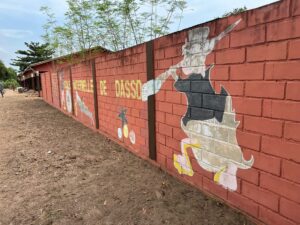
Our first Epicentre visit was to Dasso, where we met with a women’s business that processes cassava. They do some extraordinary work and produce 10 tons of end product. They use every element of the vegetable and produce four items for markets. The business employs 12 women and there was a real buzz. We got to try some of the ingredients, and it was delicious!
We then had a tour of the Epicentre. The children’s nursery – which didn’t exist before – was absolutely adorable; but more than that, the nursery’s impact on the children’s lives is transformative for their education, growth and wellbeing.
We then spent time with the leadership, who spoke positively about the future and the challenges they face. The last visit at Dasso was with the women-led nutrition and wash program. They demonstrated how they educate the young children and mothers on how to create nutritious meals for the family and there were about 50 kids being fed. It was equal parts inspiring and intensely upsetting. They are remarkable.
We had lunch in the car and then moved to Avlame. This is an Epicentre that has been post self-reliance for seven years. Of course, on the road you need to have some challenges and one of our cars broke down – never a dull moment!
Avlame is a pretty extraordinary place and what they have achieved is impressive.
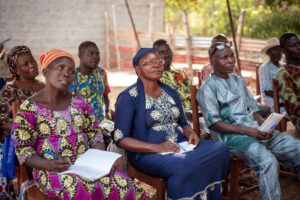
The committee leadership are incredible. None of them could read and write before the Epicentre – so to see them arrive with handwritten speeches in their notebooks was a reminder of the power of literacy.
The speeches and discussion were very powerful and some of the most insightful conversations. They have established multiple spaces for rent; they have tons of food storage and a restaurant.
As expected in this part of the world, it was hot (39 degrees) and after two inspiring Epicentre visits, it was time for an early dinner and some rest before a busy two days ahead.
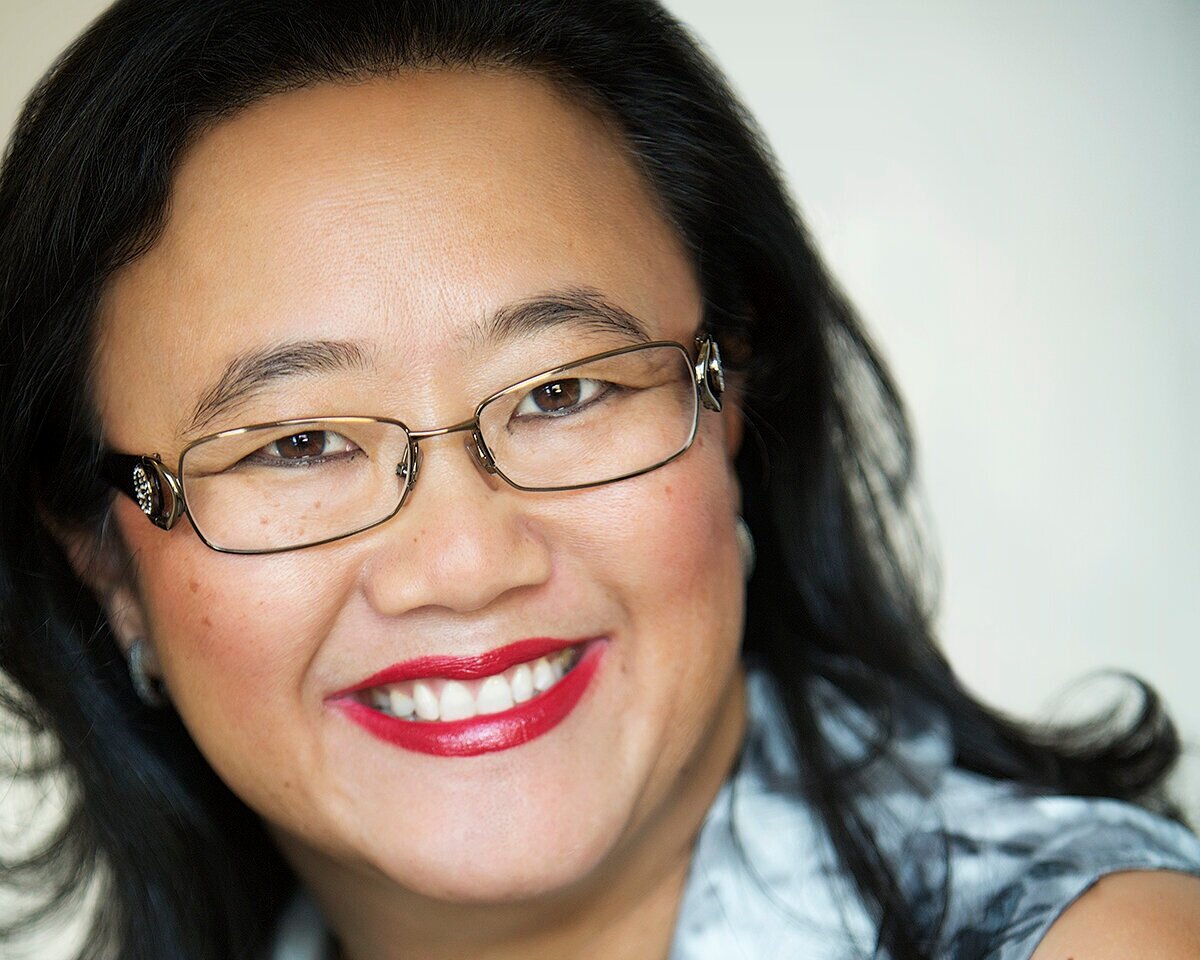
There are many reasons why people feel drawn to supporting The Hunger Project; Chris Khor is candid about the moment in her life that drew her to our work.
“I was having my first midlife crisis at 45 in 2012. I call it “divine dissatisfaction”; I had a thriving
business, I had resources, I had a functioning family, but there was something that was not quite
there. I saw an opportunity to go to Uganda and I said right there and then – “I want to go.”
I’d never been to Africa, but something compelled me to apply.”
She recalls raising $20,000 in a whirlwind of activity – before spending the flight there in a flood of
tears.
“I still have the journal. I was writing about how I hated my job and who I was working with, the
sense of fulfillment just was missing,” she reflects.
“Then we went out and saw the work and it changed me. I went from being this crying, entitled,
middle-aged woman to someone who felt incredibly blessed. I got over myself on that trip.”
The trip gave Chris the clarity and focus she needed.
“When I came back – I changed everything except my husband! I went back uni, I sold the dream
house, I changed where the kids were going to school. Within a year I had started a new business,
Chorus Executive.”
As well as running a successful business, Chris utilised her extensive network to spread the word of
our work, while also joining our Board to contribute further to ending hunger.
Adding to her list of achievements, she has since gone on to found PeeplCoach, an online coaching
and leadership development business that empowers people to bring their best to work and to
face their biggest obstacle – themselves.
“PeeplCoach’s mission is aligned to The Hunger Project; it’s about giving individuals the tools and
education to define their own future to be more productive, successful and sustainable.”
“Our partnership allows us to have a big impact while also helping to create a fairer world.”
As a female founder and entrepreneur, Chris feels strongly about empowering women to be future
leaders.
“We’re very proud that 51% of our coaching cohort are women. We are equalising the playing field
– in executive coaching, the average is around 10%,” Chris explains.
“The women-led component is very important to me personally. I fundamentally believe in
education, keeping girls in school, ensuring they have the opportunity for education and access to
healthcare.”
On a personal level, Chris reflects on the life-long friendships The Hunger Project has fostered.
“Two of my closest friends are from that period of time, and the calibre of the people we are
friends with, the kindness and generosity is next level. It’s also allowed me to bring a realness to
others and added an extra layer of purpose to my life.”
To find out how your business can partner with us, get in touch here.
These gifts help end hunger and poverty for women and girls – what a gift.
Want to give a gift that makes a positive impact, for both the giver and receiver?
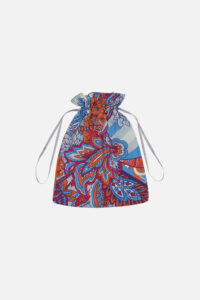
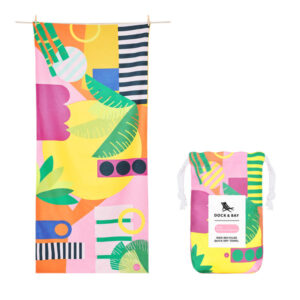
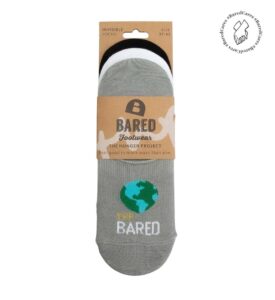
Look no further than our Purposeful Presents 2023 Edit! Featuring an amazing range of gifts from our most excellent partners, you’ll find something for everyone at a range of price points, from budget to splurge.
It’s been a big year for women’s empowerment at The Hunger Project and our Women Empowerment Fund has lifted up thousands of women and girls in Africa and India.
Small things we take for granted become game changers, like internet access, going to school, getting a small business loan; we’re delighted to share just some of the inspiring stories in the below report and in this short video.
We are proud to join our global community this World Food Day in raising awareness about the importance of water and creating sustainable solutions to conserve it.
Clean water is key to creating a world without hunger. It is connected to nutrition, health, the environment and the economy. At The Hunger Project, we partner with rural communities to enhance water access, sanitation and conservation, developing new water sources and promoting sustainable practices.
Global access to safe water remains a challenge. Approximately 2.4 billion people in the world reside in water-stressed countries. Among those affected, women bear a disproportionate burden due to the scarcity of clean and safe water. Often tasked with fetching water, women endure long walks and even violence during their journeys. Reliable access to clean water not only reduces risks but also mobilizes women to invest in their families and communities and enables girls to attend school.
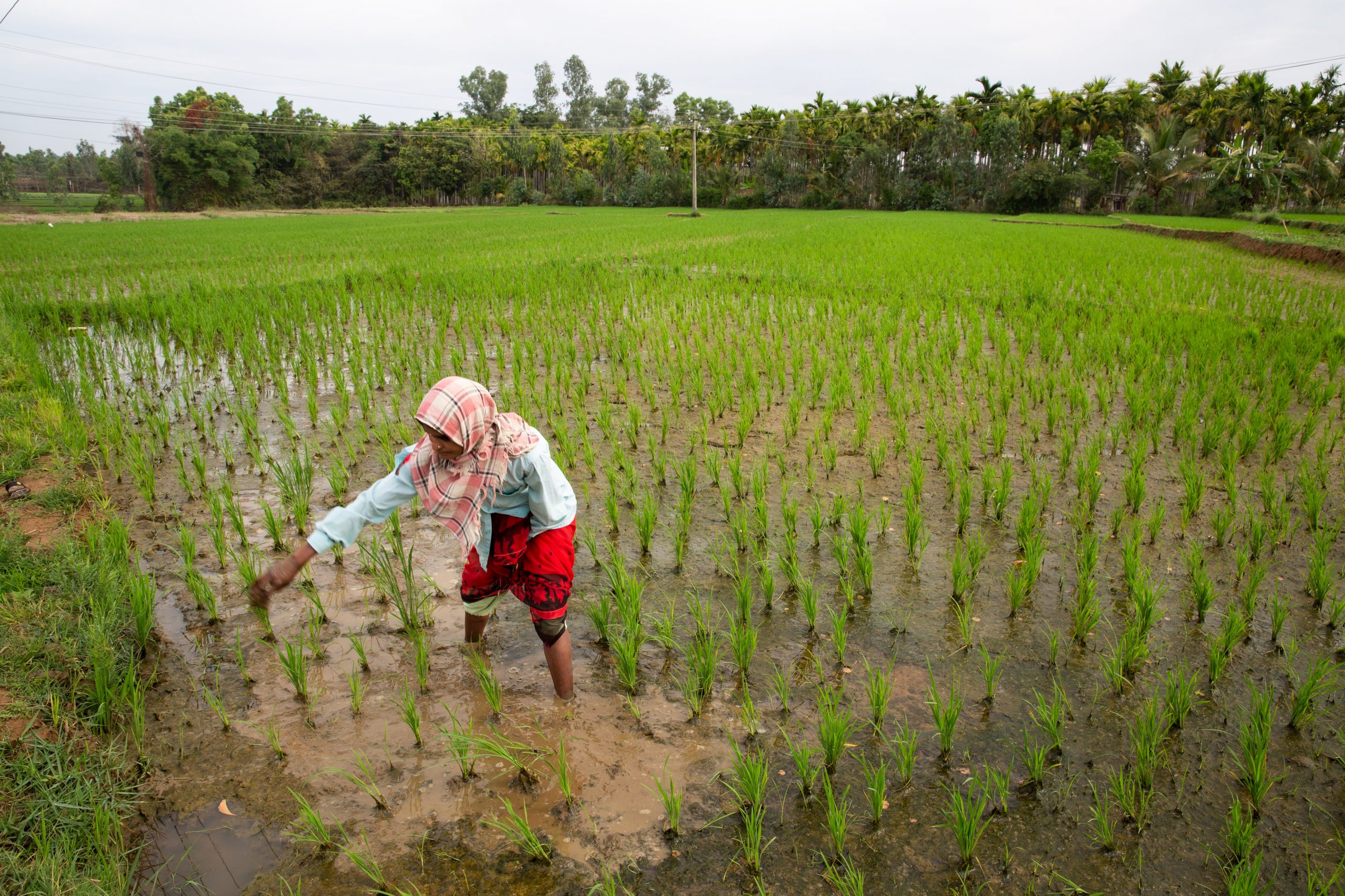
We recognise that the majority of freshwater used globally supports agriculture. Most people living with hunger depend on agriculture for their livelihoods, leaving them susceptible to environmental degradation, water scarcity and climate change impacts. Therefore, efficient, low-barrier water conservation methods are critical to create thriving communities.
Additionally, every year, countless adults and children lose their lives due to diseases spread through unsafe water, inadequate sanitation and poor hygiene. Illnesses like cholera, dysentery and diarrhea are prevalent, causing hundreds of thousands of children to live with malnutrition.
Climate change, agriculture, population growth, urbanisation and economic development are putting the planet’s water resources under increasing stress. Now is the time to work with communities to find sustainable approaches to water conservation and to ensure that every person has access to clean, affordable water.
What we do.
Promoting Local Food Varieties Our food consumption has a direct impact on water resources. At The Hunger Project, we work with communities to identify native crops that thrive under local conditions. This helps reduce the need for complex irrigation systems and promotes biodiversity.
Promote sustainable farming practices
We work with our community partners to create and manage community demonstration farms. Community partners learn techniques to sustainably improve crop yields, providing entire communities with increased access to food. Through taking part in The Hunger Project programs, farmers like Issa, have learnt how to practice sustainable farming and to grow climate resistant crops.
Build water and sanitation capacity
We establish water project boards made up of community leaders who are trained by experts on how to monitor, maintain and repair water systems; training people in the use and repair of water pumps and generators; and training a core of local leaders in water safety and purification so they can lead workshops throughout the community and expand grassroots knowledge. We also partner with philanthropists such as The Petre Foundation to deliver the Water First project across sites in Africa to increase access to clean, safe water.
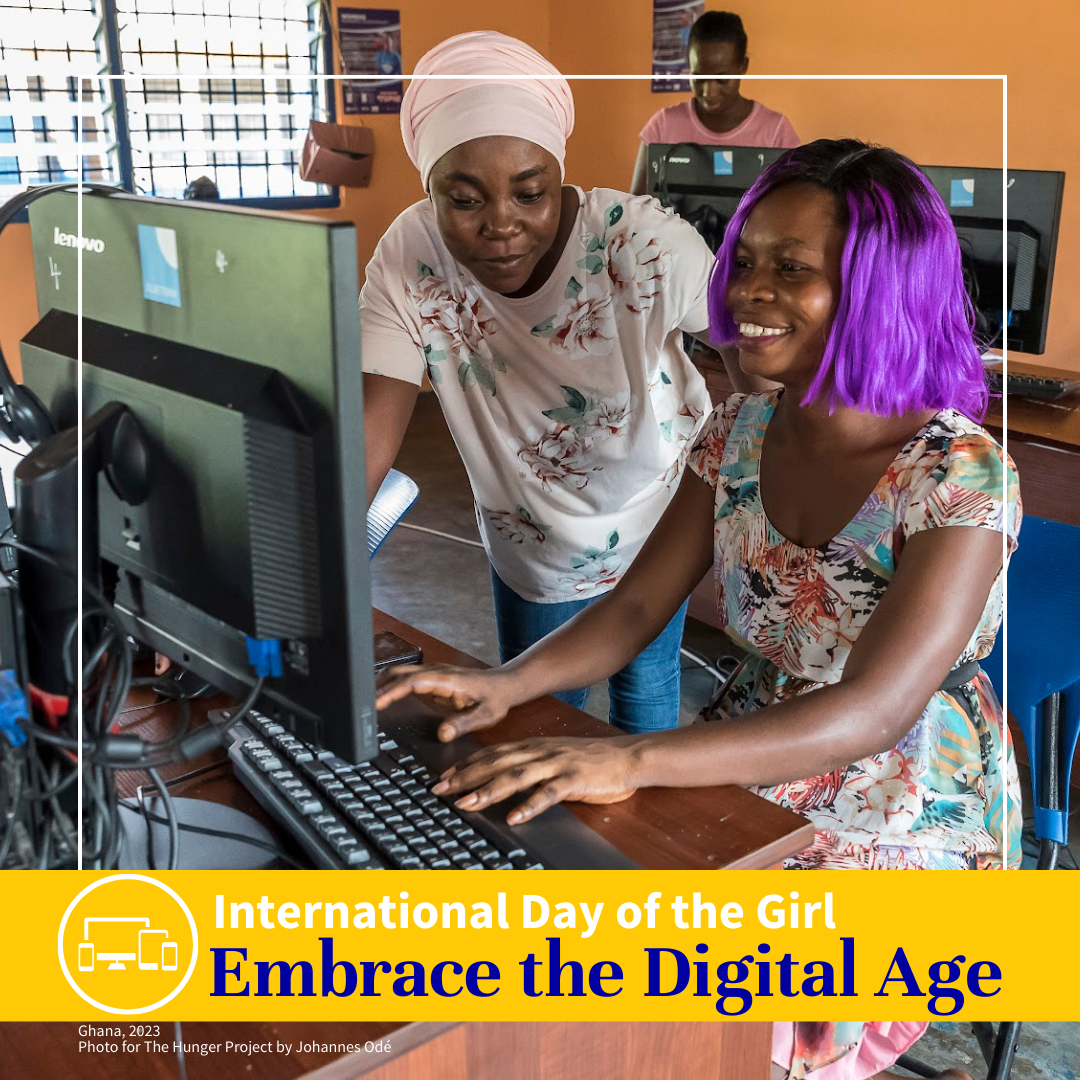
In today’s rapidly evolving world, the digital landscape offers boundless opportunities for growth and progress for girls. As we celebrate International Day of the Girl under the theme “Digital Generation. Our Generation,” we’re reminded of the incredible potential that technology holds for empowering girls to become leaders, innovators and change-makers in their communities and beyond.
Systems of inequity, like a lack of access to online resources, are keeping hunger in place in communities around the world. When girls have the opportunity to connect to online platforms it gives them the power to access rapid and current information, which improves their education, businesses and engagement with civil society and political processes. In turn, each of these facets of life contribute to ending hunger in communities around the world.
At The Hunger Project, we are committed to harnessing this potential, by encouraging girls to embrace digital resources as a tool for personal and societal advancement. Our programs equip girls with vital skills in digital literacy, enabling them to confidently navigate the virtual world and drive positive change in their communities.
As girls navigate the digital landscape, they become architects of their own destinies, defying traditional barriers and stereotypes. Through this empowering program, The Hunger Project envisions a world where the potential of every girl is realised, and where their contributions, both in the virtual realm and the real world, drive meaningful change for generations to come.
At The Hunger Project, we recognise the intersection between digital engagement and hunger as a powerful avenue for transformative change. We envision a future where technology enables girls to not only uplift themselves but also contribute to the fight against global hunger.
We acknowledge and pay respect to the traditional custodians of the land on which we work, live and play.