
The 2026 State of Food Security and Nutrition in the World (SOFI) Report shows that global hunger declined for the third consecutive year in 2025, demonstrating that progress is possible. However, the world remains off track to achieve Sustainable Development Goal 2 (Zero Hunger) by 2030, and 645 million people continue to experience hunger.
The UN estimates 20% of people in Africa lived with chronic hunger in 2025, compared to 6.0 percent of the population in Asia, 4.8 percent in Latin America and the Caribbean, 8.0 percent in Oceania and less than 2.5 percent in Northern America and Europe. For the first time, Africa is home to the largest number of people living with hunger—309 million people.
The report also highlights a defining challenge for global food security: healthy diets remain unaffordable for billions of people. Ending hunger requires more than producing enough food. It requires transforming agrifood systems so that nutritious foods are affordable, accessible and available to everyone. The report emphasises the importance of investing across the entire food system, including local markets, transport, storage processing, infrastructure, social protection, and climate resilience.
These findings reinforce The Hunger Project’s approach to ending hunger through community-led development, women’s leadership, resilient local food systems, nutrition education, sustainable livelihoods, and partnerships that enable communities to lead their own development. local food production and sustainable livelihoods.
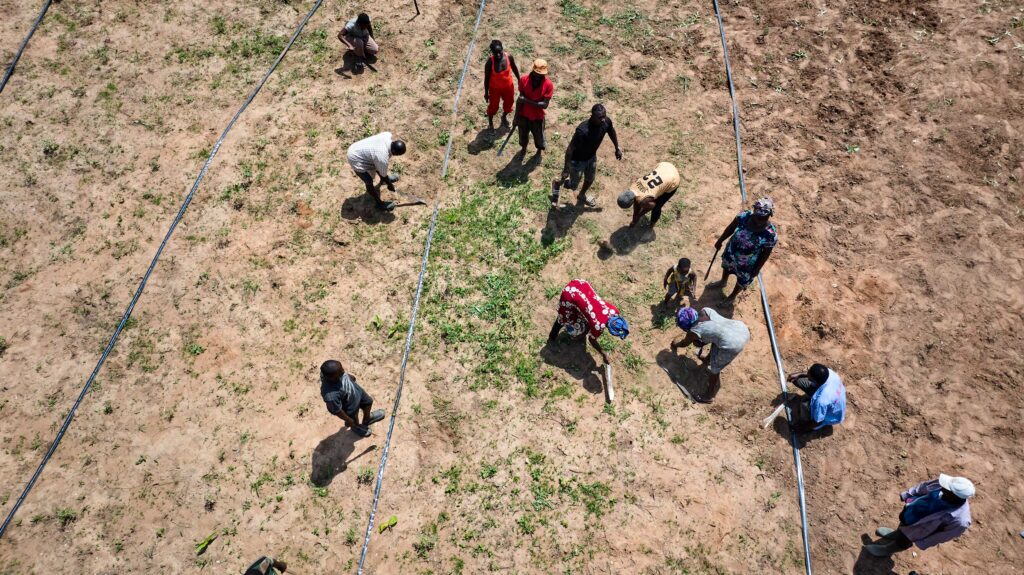
Insights from Zambia
“In Zambia, the high cost of nutritious food remains a significant barrier for many rural families. Rising food prices, climate-related shocks, and economic pressures have made healthy diets increasingly unaffordable, with women and children bearing the greatest burden. When nutritious foods are out of reach, the consequences are reflected in persistent rates of child malnutrition and poor health outcomes.
At The Hunger Project Zambia, we have seen that community-led solutions can make a lasting difference. Through our Epicentre Strategy, we support women’s leadership, climate- smart agriculture, and stronger local food systems that help families diversify their diets, increase household incomes, and build resilience.
The SOFI 2026 Report reinforces the need for greater investment in smallholder farmers, nutrition-sensitive policies, and resilient food systems. By empowering communities to lead their own development, we can make healthy diets more accessible and affordable while building a future free from hunger.”
Samuel Mutambo, Country Leader, THP-Zambia
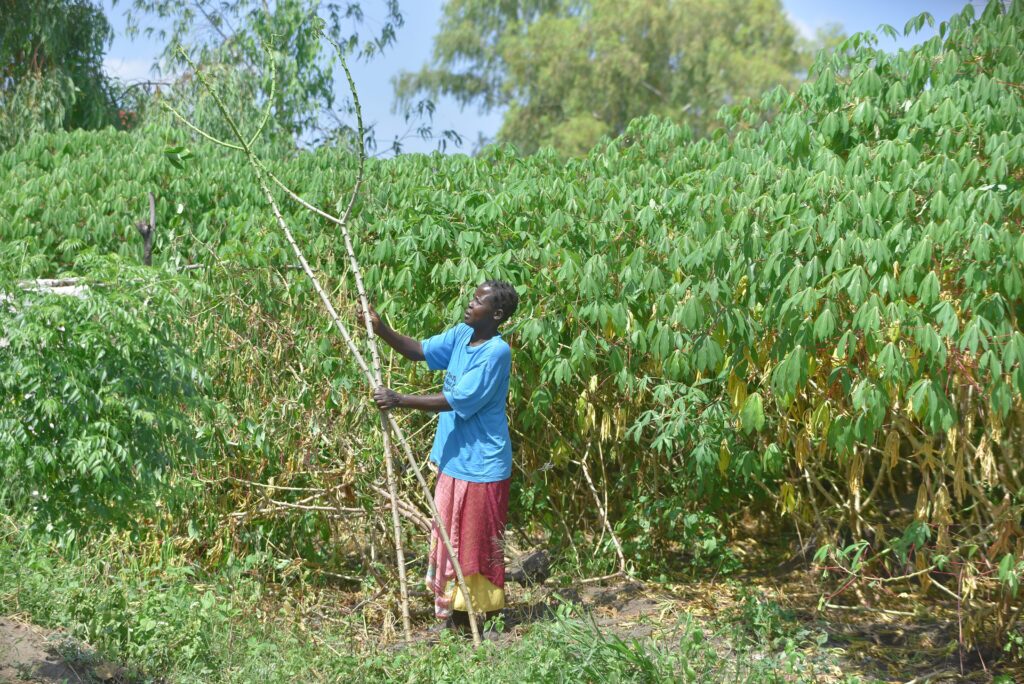
Insights from Uganda
“Food security is no longer only about whether food is available, but whether households can consistently afford diverse and nutritious diets. Rising food prices, climate-related shocks, limited incomes and unequal access to productive resources continue to place healthy diets beyond the reach of many rural families.
Lasting food security will only be achieved when communities are empowered to lead their own development and every household has the opportunity to live with dignity, nourishment and resilience.”
Irene Naikaali, Country Leader, THP–Uganda
Read about our impact in Uganda here.
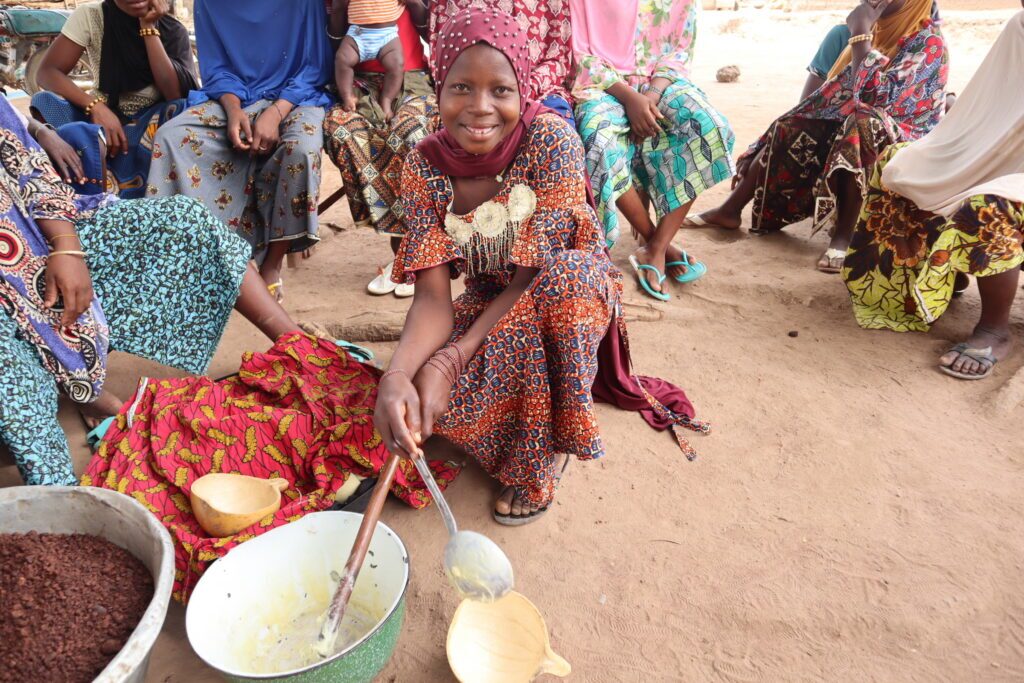
How our work addresses hunger
We partner with communities to:
- strengthen local food systems, expand home gardens, promote diversified food production, and improve nutrition education. These initiatives help increase the availability of nutritious foods locally while reducing households’ dependence on volatile food markets
- support farmer organisations, improving market access, promoting local entrepreneurship and helping communities identify locally led solutions that improve food availability, reduce post-harvest losses, and strengthen local economies
- build resilience through climate-smart agriculture, natural resource management, diversified livelihoods and community-led planning. By strengthening local capacity to prepare for and respond to shocks, communities are better equipped to protect their food security and livelihoods
- place women’s leadership at the centre of our work by supporting women as farmers, entrepreneurs, community leaders, and advocates. Through leadership development, economic empowerment, and inclusive community decision-making, women are better positioned to improve household nutrition, strengthen livelihoods and contribute to more resilient food systems.
- promote improved nutrition through community-based nutrition education, home food production, behaviour change initiatives, and programmes that encourage the consumption of diverse, locally available foods. These efforts help families make informed dietary choices while improving access to nutritious foods.
The 2026 State of Food Security and Nutrition in the World Report was published on July 21, 2026 jointly by the Food and Agriculture Organisation of the United Nations (FAO), the International Fund for Agricultural Development (IFAD), the United Nations Children’s Fund (UNICEF), the World Food Programme (WFP) and the World Health Organisation (WHO).