
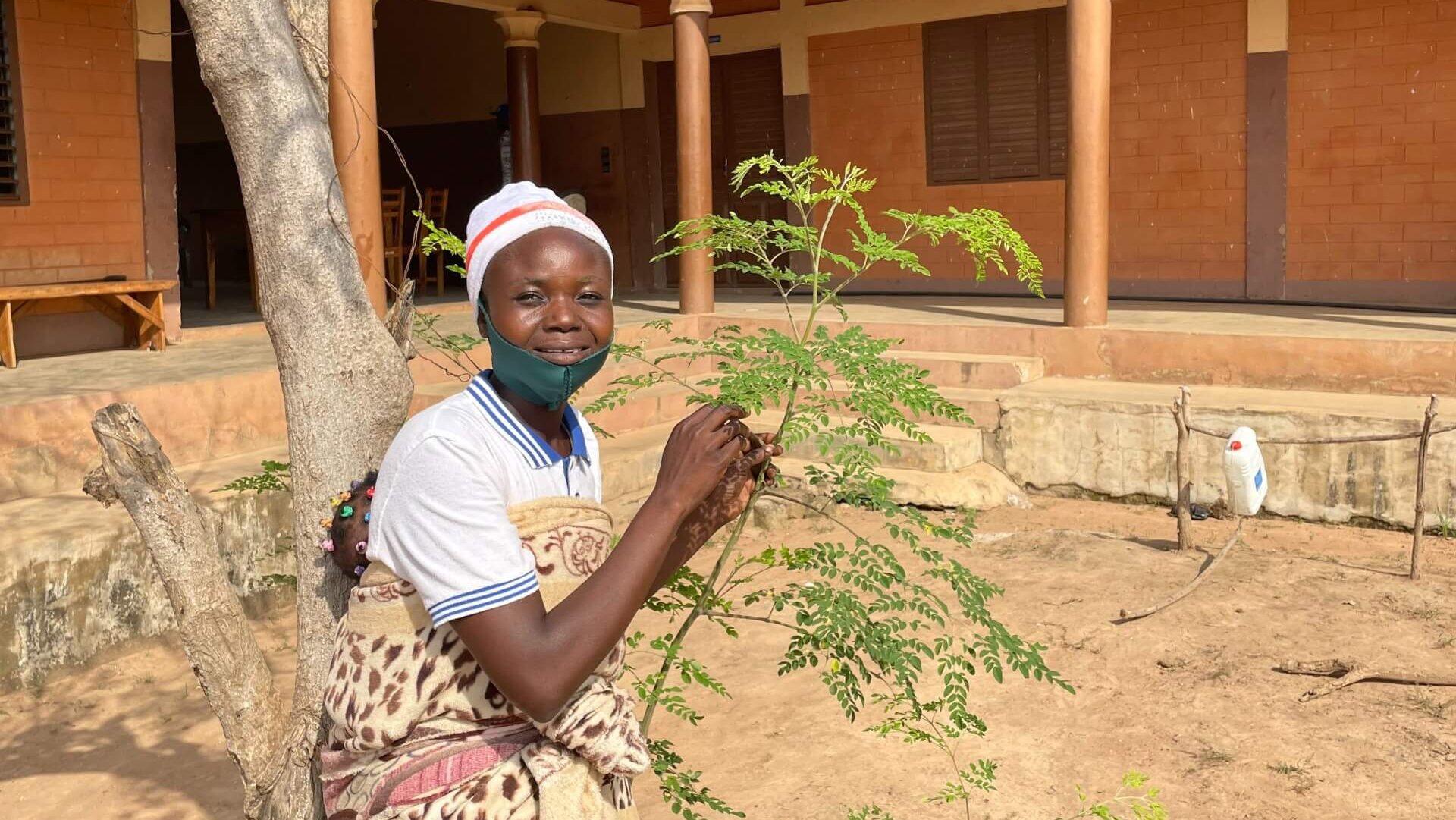
Join our global movement to create a world without hunger, for women like Lidia from Malindile Epicentre in Mozambique.
Hunger is a experiencing a polycrisis moment, where already fragile food systems are being rocked by conflict, soaring inflation, cost of living pressures and climate change.
The 2026 State of Food Security and Nutrition in the World (SOFI) Report offers cautious optimism. Global hunger declined for the third consecutive year in 2025, demonstrating that progress is possible. However, the world remains off track to achieve Sustainable Development Goal 2 (Zero Hunger) by 2030, and hundreds of millions of people continue to experience hunger.
The report also highlights a defining challenge for global food security: healthy diets remain unaffordable for billions of people. Ending hunger requires more than producing enough food. It requires transforming agrifood systems so that nutritious foods are affordable, accessible and available to everyone.
The report emphasises the importance of investing across the entire food system, including local markets, transport, storage processing, infrastructure, social protection, and climate resilience.
These findings reinforce The Hunger Project’s approach to ending hunger through community-led development, women’s leadership, resilient local food systems, nutrition education, sustainable livelihoods, and partnerships that enable communities to lead their own development. local food production and sustainable livelihoods.
Key Facts
Chronic hunger declined globally.
In 2025, 7.8% of the global population faced hunger, down from 8.2% in 2024. Moderate and severe food insecurity has also decreased.
The gender gap is closing.
While food insecurity is higher among women than men, the gap is closing.
More people globally can afford a healthy diet.
In 2025, 67.3% of the population could afford a healthy diet, up from 62.6% in 2024.
Stark regional differences persist.
The UN estimates 20% of people in Africa lived with chronic hunger in 2025, compared to 6.0 percent of the population in Asia, 4.8 percent in Latin America and the Caribbean, 8.0 percent in Oceania and less than 2.5 percent in Northern America and Europe. For the first time, Africa is home to the largest number of people living with hunger—309 million people.
Rural communities are impacted most.
Food insecurity was consistently higher in rural areas.
Women and children are not consuming a diverse diet.
Only 30.8% of children under 2 and 62.7% of women aged 15 – 49 consume a minimally diverse diet.
SDG 2 is not on track.
Between 510 and 520 million people will still be living with hunger in 2030, based on current trends. 56% of those people will live in Africa.
Get in touch for more information about your role in solving the global hunger crisis
EMAIL JEENA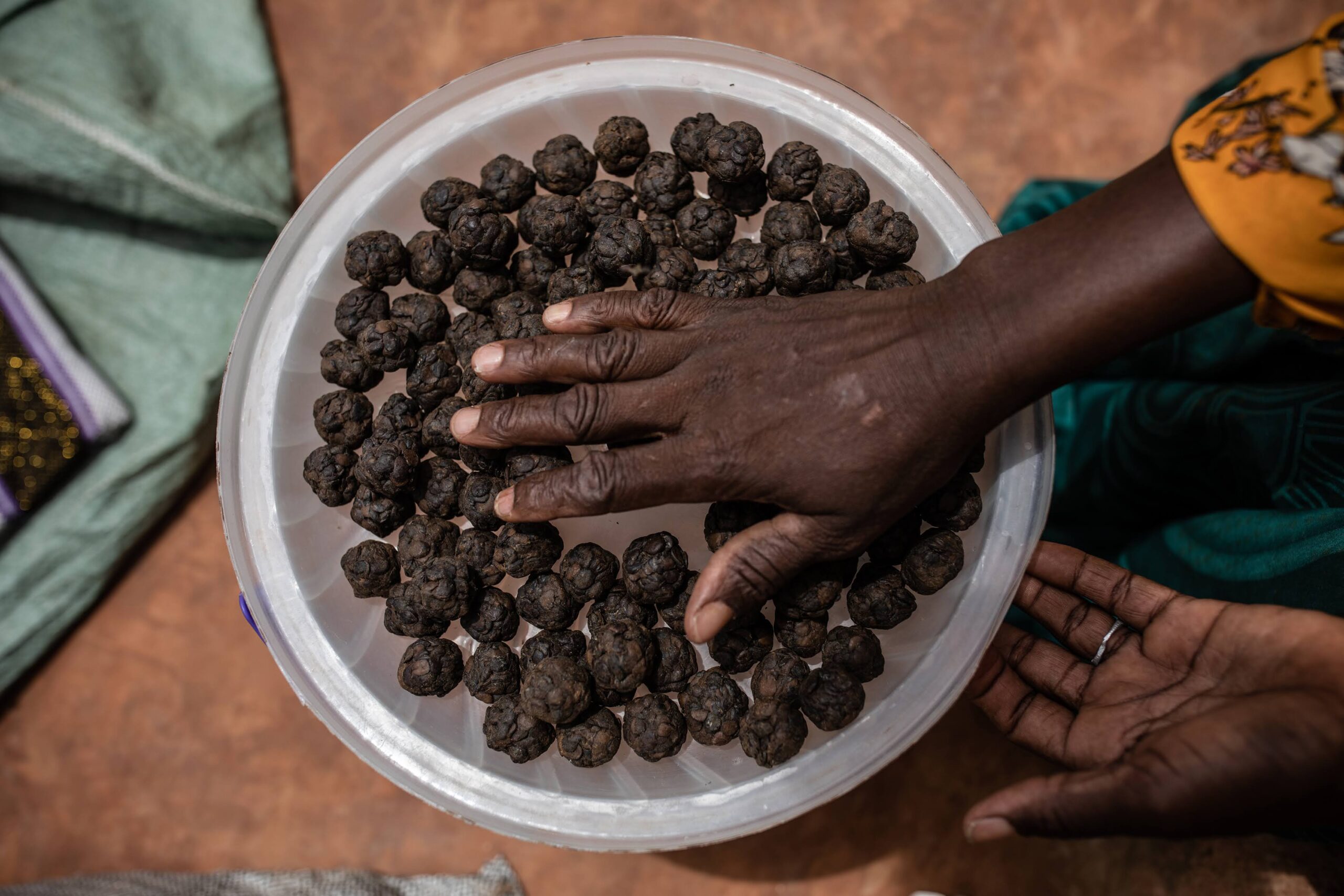
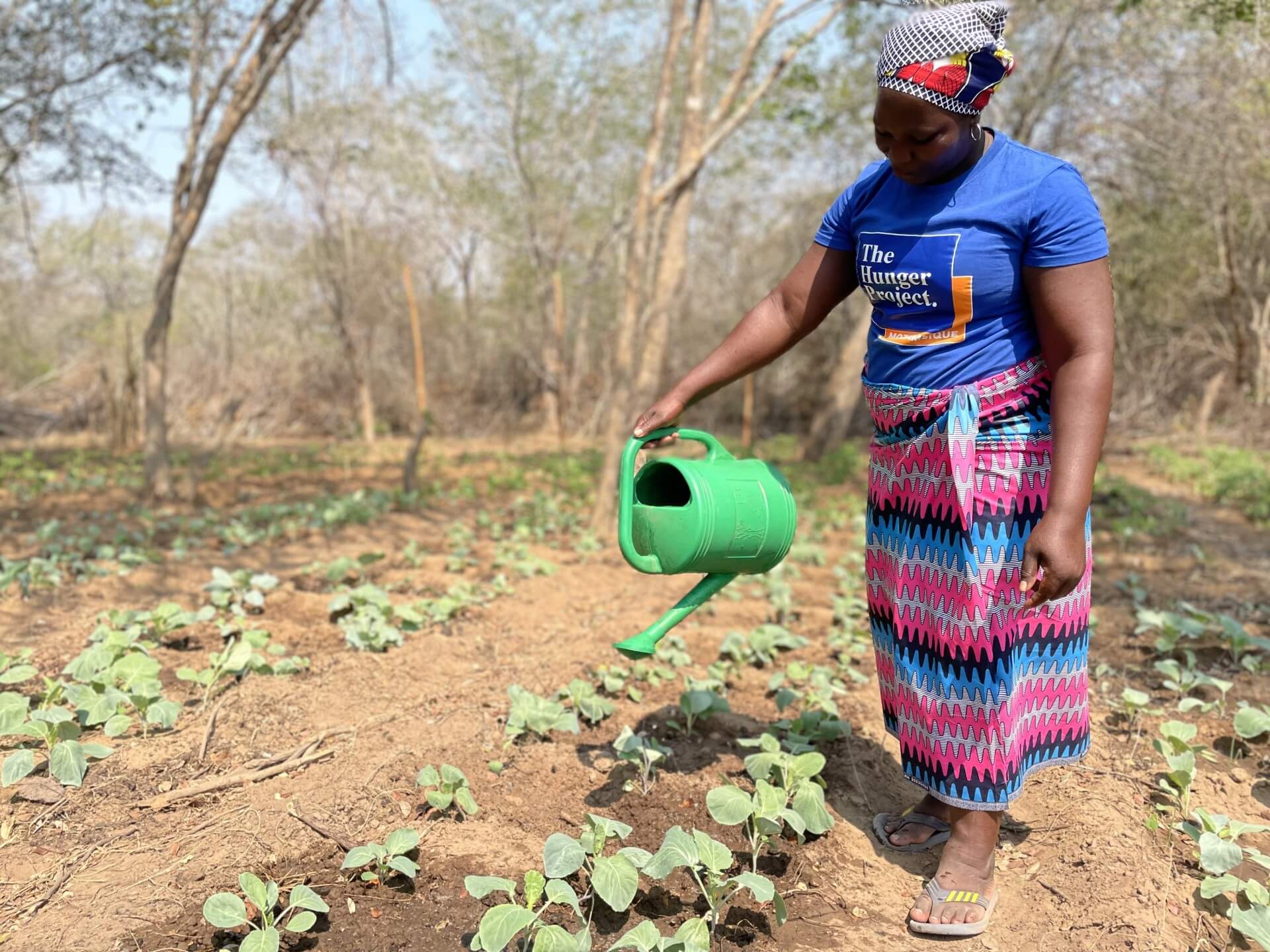
Lidia from Mozambique is helping her community end hunger.
Will you join her?
When The Hunger Project arrived, I thought we would get (material) things. But now I understand how it works.
I actively participate in many activities, growing veggies in our vegetable gardens, a village savings group and the literacy program. I am especially proud that I am now able to write my name.
At first, I was not sure if I should start studying again, but I was convinced by The Hunger Project to go to the adult literacy classes; to go back to school. And I did.
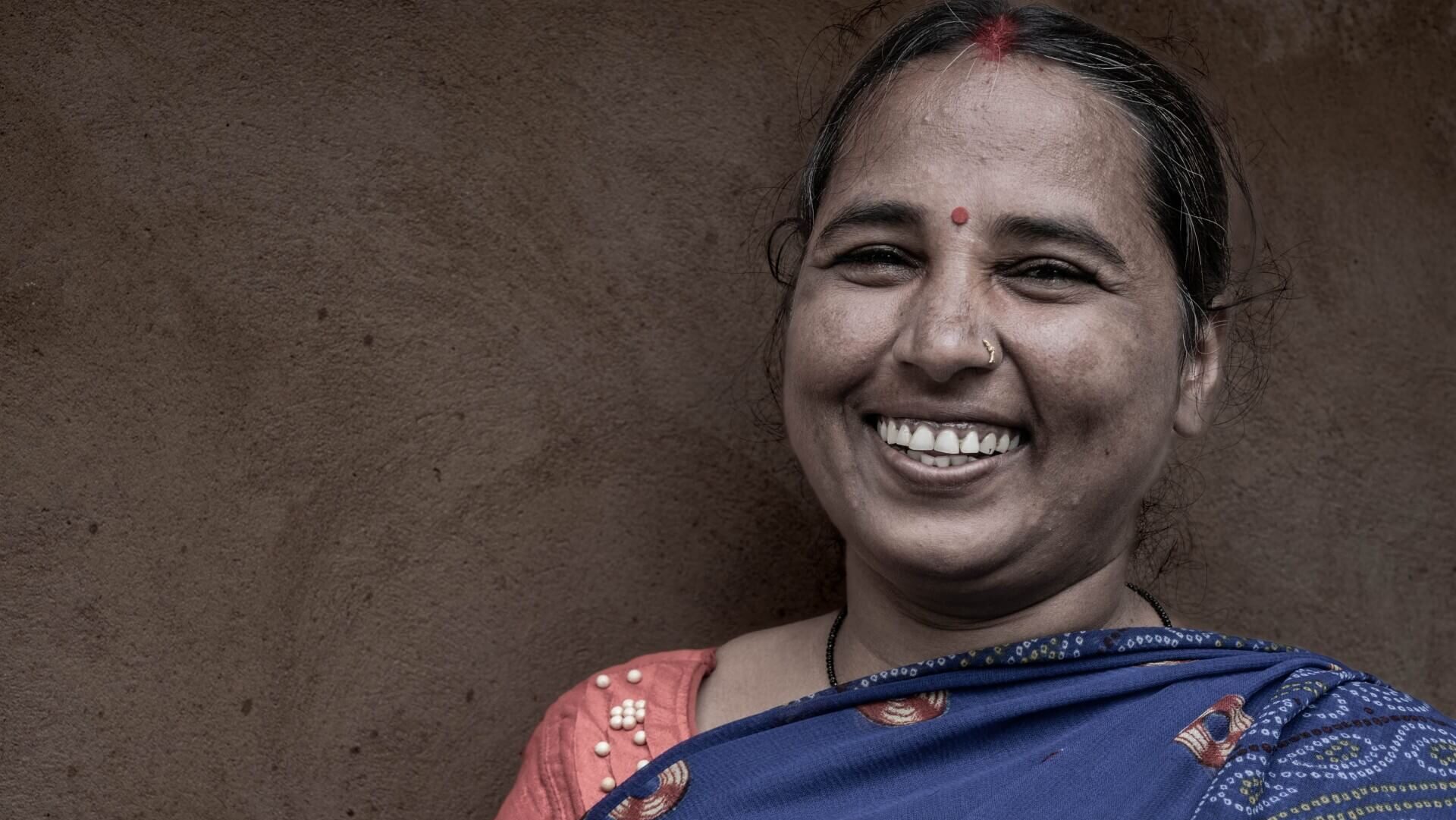
I did not know better. I had children one after another.
I wish I had a greater understanding so I could have planned, decided, and paced myself.
Now I am more aware and don’t want the same for my daughters.
They want to pursue higher education, and I will support them as much as possible.
We are educated. And we don't forget that knowledge anymore. That stays with us - and we can continue to use it.
We are also ready to tackle things ourselves.
The Hunger Project has prepared us for that.
We have the knowledge, and it stays.
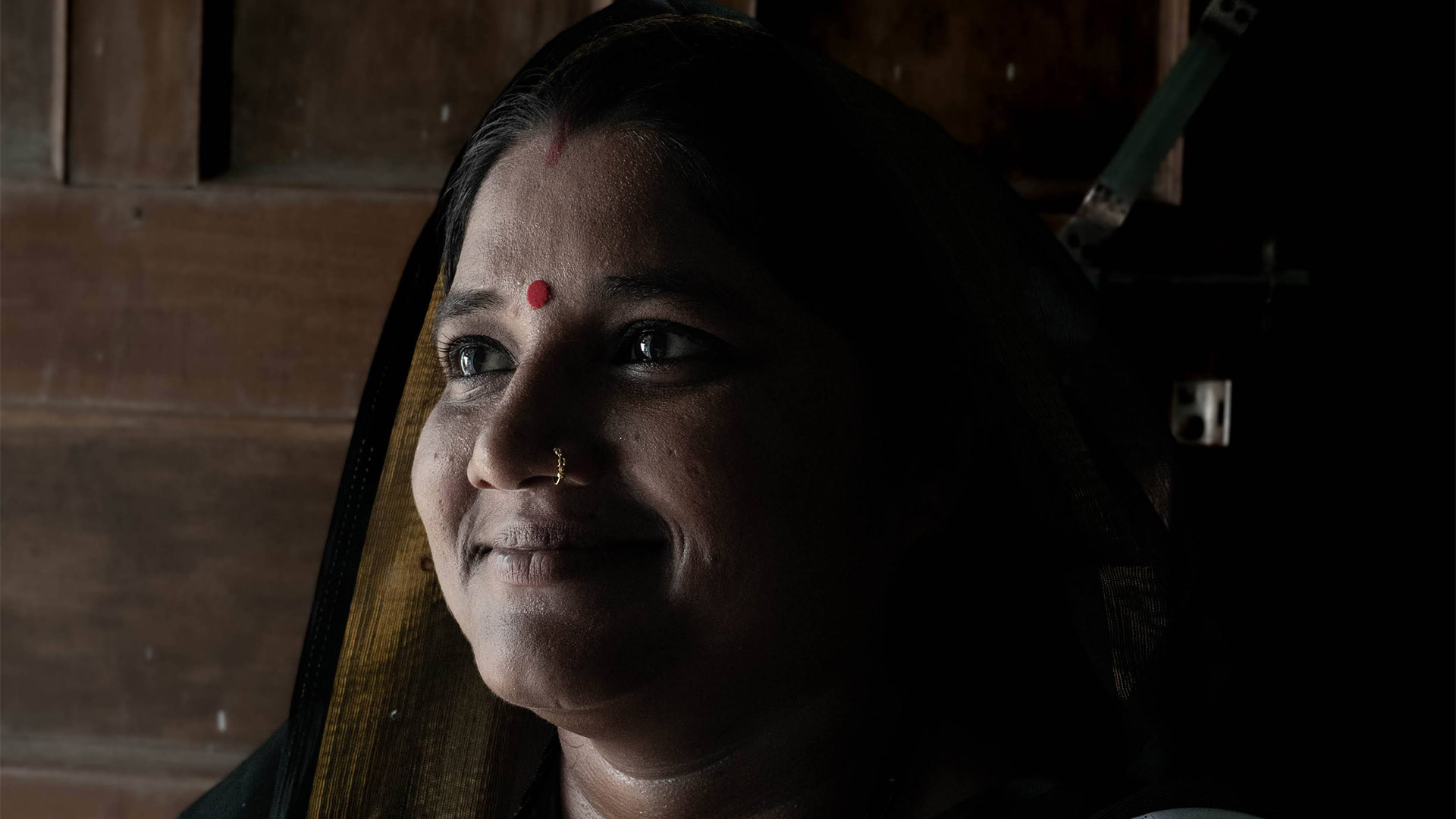
It is more than just about receiving information.
It is comforting to see other women facing similar struggles in their families, coming together and learning together.
Now we grow enough for a family of four. It is fresh food.
And sometimes also share our produce with our neighbour in distress.