Women Deliver 2026 came to Melbourne this past week, featuring The Hunger Project community partners from around the world – India, Mexico, Malawi and Uganda.
Philippe Magid, CEO, and Sivanjana Kathiravel, Deputy CEO, were watching on with pride as the real life stories of women and girls was amplified at the world’s largest gender equality conference.
1. Women Deliver 2026 is the first time this conference has been held in the Asia-Pacific region, with a strong focus on Indigenous peoples’ participation. What has THP’s role been in the lead-up?
For months, multiple THP country offices – including Australia, Sweden, the US, Netherlands, Mexico, Uganda and Malawi – have been working behind the scenes to ensure community voices don’t just attend this conference, but shape it.
Our Mexico delegation, including Indigenous women leaders from Chiapas and Oaxaca, helped inform the Women Deliver Feminist Playbook – launched here in Melbourne as the Melbourne Declaration for Gender Equality. We’ve also built connections with UNICEF, the Gates Foundation, and attending media, to secure meaningful airtime in sessions that centre Indigenous knowledge and the lived experience of women and girls.
2. Women Deliver 2026 is one of the world’s largest conferences on gender equality. How did it feel to be there, and what do you hope it leads to?
It felt like being at the centre of something that really matters. Nearly 6,000 people have gathered in Melbourne – from grassroots activists to heads of state – and the energy is unlike anything else.
What we hope comes from this? More investment, deeper collaboration, and a genuine commitment to a more just world for women and girls. Not just declarations, but decisions backed by money and political will – and shaped by those closest to the issues.
3. Earlier this year, CSW in New York was marked by growing global resistance to gender equality and women’s rights. Is that something you’re sensing here too?
It’s part of the conversation – you can’t ignore the global headwinds. But what we noticed at Women Deliver is that people aren’t dwelling on the problem. They’re focused on the solution.
Feminist movements have always encountered resistance. This is not the first time, and it won’t be the last. If anything, the pushback has sharpened the resolve in this room. There’s a real sense of determination here – not despair.
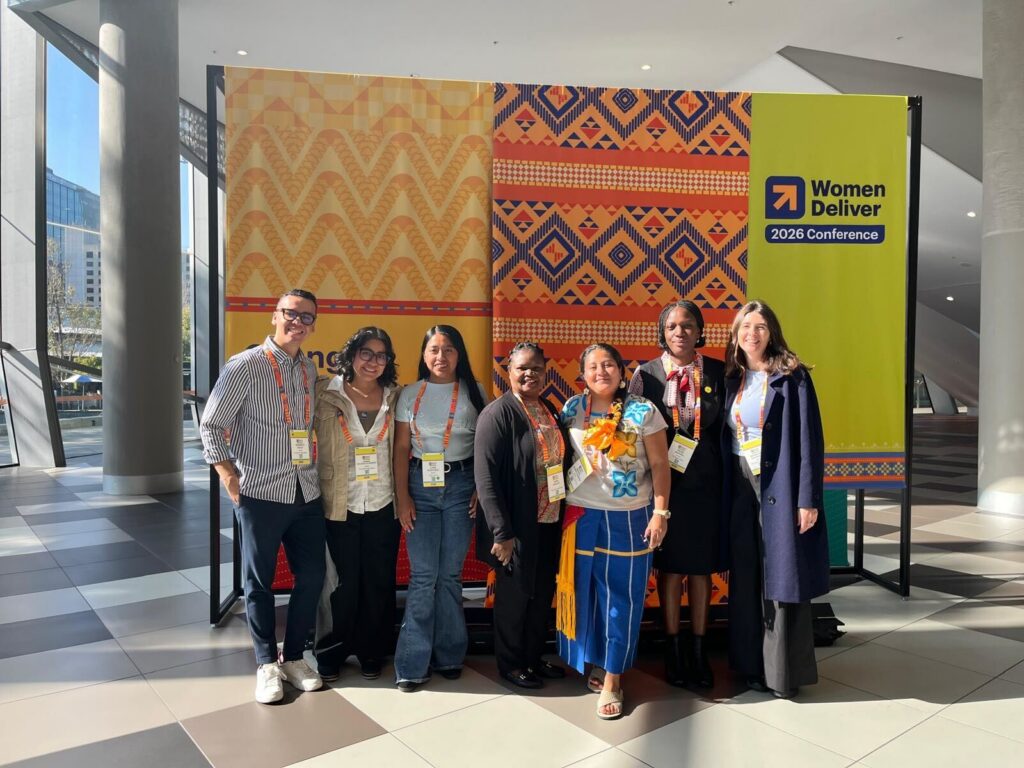
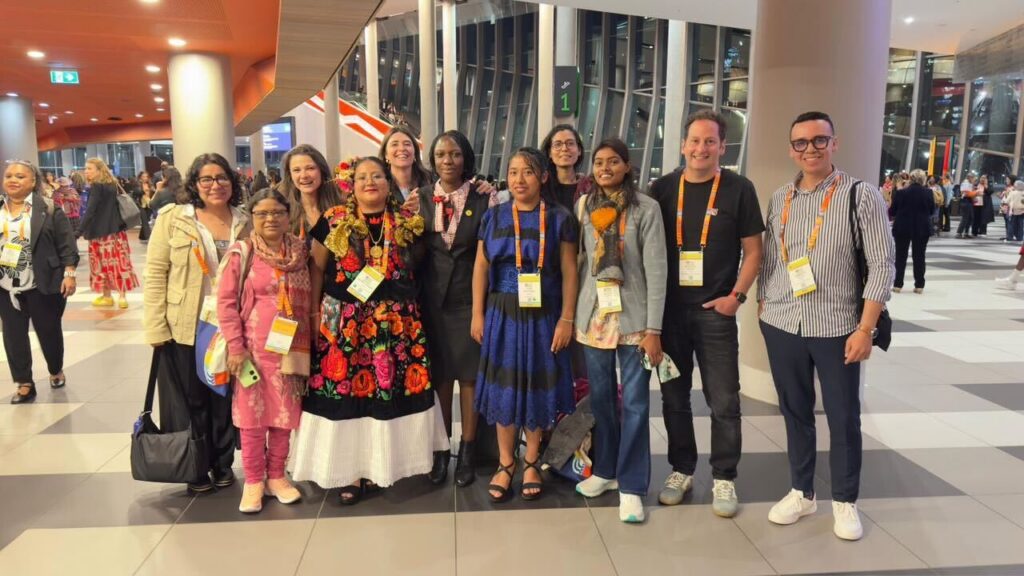
4. Our delegation consists of local leaders and Indigenous women from Mexico, India, Uganda and Malawi – women who rarely get access to global arenas like this. What does it mean that they are here, and why are their voices so important right now?
Their presence cuts through in a way that no diplomat or policy paper ever could.
When Khushi stood up and shared her story of resisting child marriage in rural Bihar, the room stopped. When Luisa spoke about her community’s relationship with the land and the decisions being made without them, people listened differently. Lived experience reaches people in a way that data on its own simply can’t.
These women belong on this global stage. And watching them own it has been one of the most extraordinary things we’ve witnessed in our work with The Hunger Project.
5. You’ve managed this entire journey from planning to execution. What do you take with you – and what do you hope the delegates bring back to their communities?
You come to a conference like this with a plan: make connections, meet funders, increase THP’s visibility. And then you arrive, and you realise it’s so much more than that.
It’s a space for learning, listening and being genuinely moved. We’re taking home a deeper sense of what’s possible when community voices lead – and a renewed conviction that the work we do in Australia matters far beyond our borders.
And for our delegates, we hope they bring back new perspectives, the unshakeable sense of being known and heard – and a renewed determination – and belief in themselves.