Irene Naikaali has spent her career at the intersection of hunger, education and gender equality. As Country Director of The Hunger Project Uganda, she sees every day what it costs a community when a girl leaves school – and what it means when she stays. She shares her perspective on one of the most important issues of our time.
Hunger and education are the same problem
Hunger and girls’ education are not separate crises. They are both symptoms of something much deeper than what we actually see. When families cannot access markets for their produce, they cannot pay school fees. When schools are far from home, girls face danger on the road. When sanitation facilities are absent, adolescent girls quietly stop attending.
These are different expressions of the same systemic inequality. They cannot be addressed in isolation. They have to be looked at holistically.
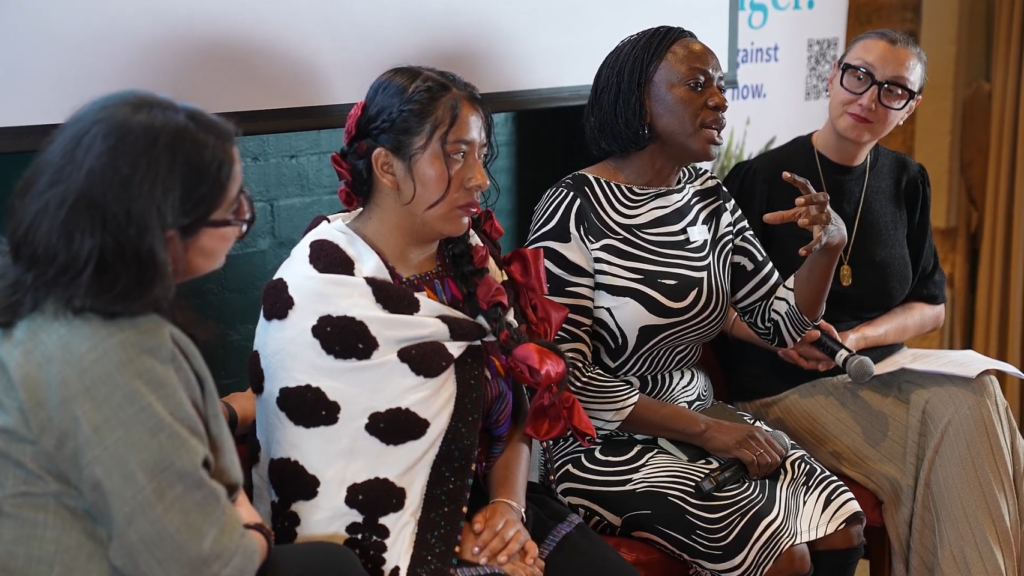
What it actually takes to keep a girl in school
The transition from primary to secondary school is the most critical – and most dangerous – moment in a girl’s education. Infrastructure fails her at precisely the point she needs it most. Schools lack sanitation facilities for adolescent girls. Distance exposes her to risk. Cultural expectations pull her toward early marriage.
The Hunger Project works with governments, communities and partner organisations to dismantle each of these barriers – from installing toilet facilities and distributing reusable sanitary pads, to lobbying for schools to be built closer to communities. The stumbling blocks are real. But so are the solutions.
When a girl stays in school, everything changes
One girl who graduates becomes a story that transforms what an entire community believes is possible.
These girls are not waiting to be saved. They are already doing the hard work of negotiating, persisting and showing up. What they need is for us to remove the stumbling blocks in their way.
When we see girls in school, it is a symbol of hope. Communities hold on to that hope. It motivates other families to push their girls to stay.
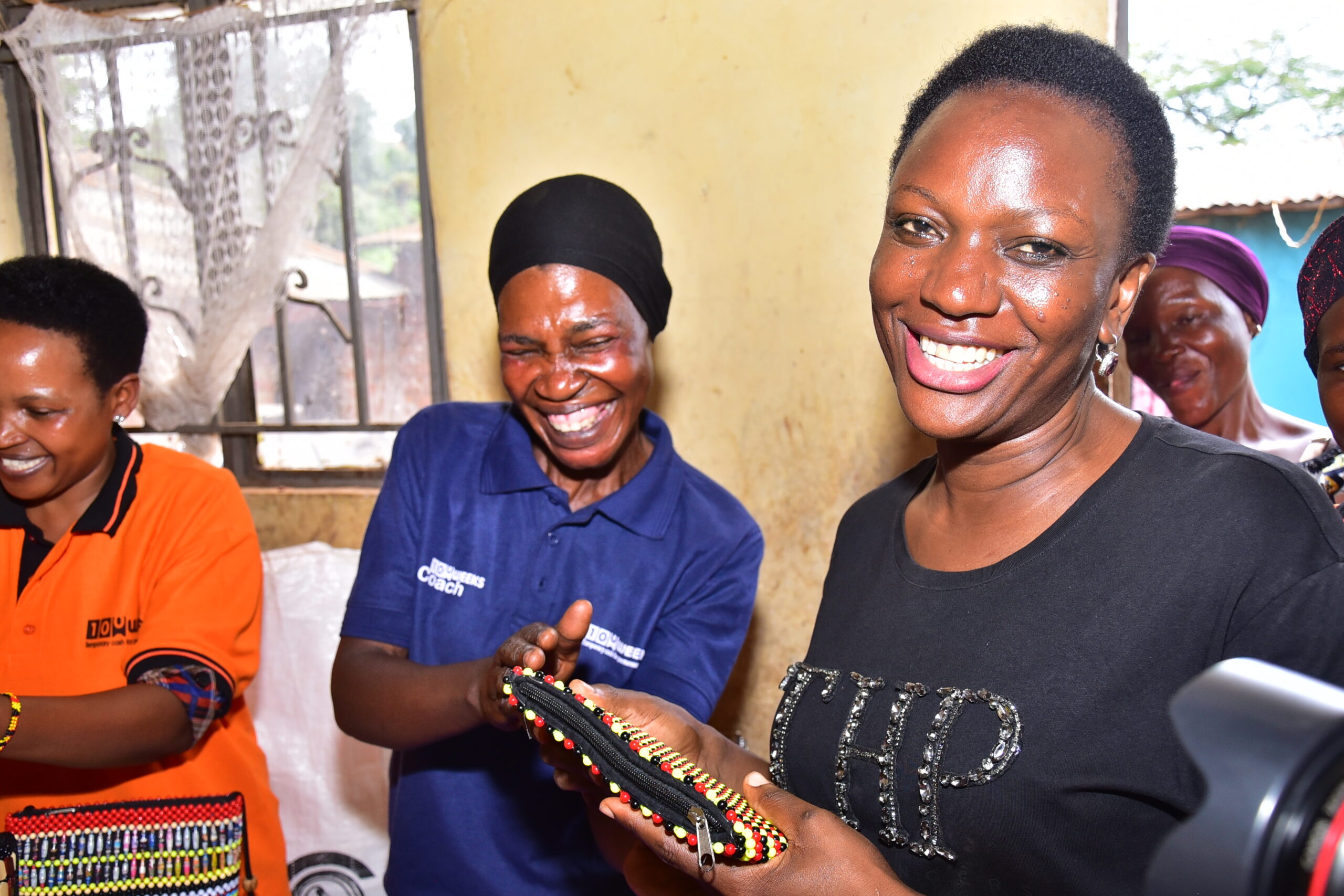
What your investment makes possible
Each investment unblocks the path a little more. Cultural barriers. Infrastructure gaps. The distance between a girl and the education she is determined to reach.
The destination – a world without hunger – is certain. What is important is the journey. When we keep moving, the destination is possible.